
By Dr. Kerry L. Shipman, CEO, TSG Behavioral Health & Community Services
Immediate help in North Carolina
If you are in crisis, call 988 (Suicide & Crisis Lifeline) or 911. If you are not in immediate danger and need support, visit tsgbh.com to contact TSG Behavioral Health & Community Services.
The New Year brings fresh opportunities to prioritize your mental health and well-being in North Carolina. If you're considering free virtual therapy in NC for the first time, you're not alone: telehealth has revolutionized how North Carolinians access quality mental health care, making professional support more convenient and accessible than ever before.
At TSG Behavioral Health & Community Services (TSG), we see every day how telehealth and virtual therapy break down barriers to care across North Carolina, especially for rural communities, people with transportation challenges, and families managing busy schedules. Before you take that first step toward better mental health this New Year, here are five essential things to know about free virtual therapy options in North Carolina and how TSG’s integrated care model supports whole-person care.
1. Understand Your Eligibility and Available Programs in North Carolina
Free virtual therapy in North Carolina comes through several pathways, and understanding which programs you might qualify for is crucial before getting started. Many residents don't realize the range of no-cost options available to them.
Medicaid Coverage: If you have North Carolina Medicaid, virtual therapy sessions are typically covered at no cost to you. This includes individual therapy, family counseling, and specialized services for children and adolescents. TSG accepts Medicaid and can help you navigate what services are covered under your plan.
Community Mental Health Programs: North Carolina's community mental health system provides free or sliding-scale virtual therapy services based on income. These programs prioritize individuals who are uninsured or underinsured, ensuring that financial barriers don't prevent access to care.
Specialized Populations: Certain groups may qualify for targeted free virtual therapy programs, including justice-involved individuals, veterans, agricultural workers and their families, and youth who have experienced trauma. TSG's trauma-informed approach means we understand the unique needs of these populations and can connect you with appropriate resources.
Crisis and Emergency Services: If you're experiencing a mental health crisis, free virtual crisis intervention services are available 24/7 throughout North Carolina. These immediate-access services can provide crucial support and help connect you to ongoing care.

2. Know What Technology and Setup You'll Need for Telehealth in NC
Virtual therapy success depends heavily on having the right technology and environment set up before your first session. Many people assume they need expensive equipment, but the reality is much simpler.
Basic Technical Requirements: Most virtual therapy platforms work well with a smartphone, tablet, or computer that has a camera and microphone. You'll need a reliable internet connection: while high-speed isn't absolutely necessary, a stable connection prevents frustrating interruptions during sessions.
Privacy Considerations: Choose a private space where you won't be interrupted. This might be your bedroom, a quiet corner of your home, or even your car if that's the most private option available. Let household members know when you have sessions scheduled to minimize disruptions.
Platform Familiarity: Most virtual therapy platforms are user-friendly, but it's worth logging in a few minutes early for your first session to test your audio and video. TSG's clinical team provides technical support to help you feel confident using the platform before diving into therapeutic work.
Backup Plans: Have a phone number ready in case technical issues arise. Many therapists can seamlessly switch to a phone session if video connectivity becomes problematic, ensuring your scheduled time isn't wasted.
3. Prepare for a Different But Effective Telehealth Therapeutic Experience
Virtual therapy isn't simply in-person therapy moved to a screen: it's a distinct therapeutic modality with its own benefits and considerations. Understanding what to expect can help you maximize the effectiveness of your sessions.
Building Therapeutic Rapport: Research consistently shows that strong therapeutic relationships can develop just as effectively through virtual sessions as in-person meetings. Your therapist is trained to create warmth and connection through the screen, using verbal cues and active listening to build trust.
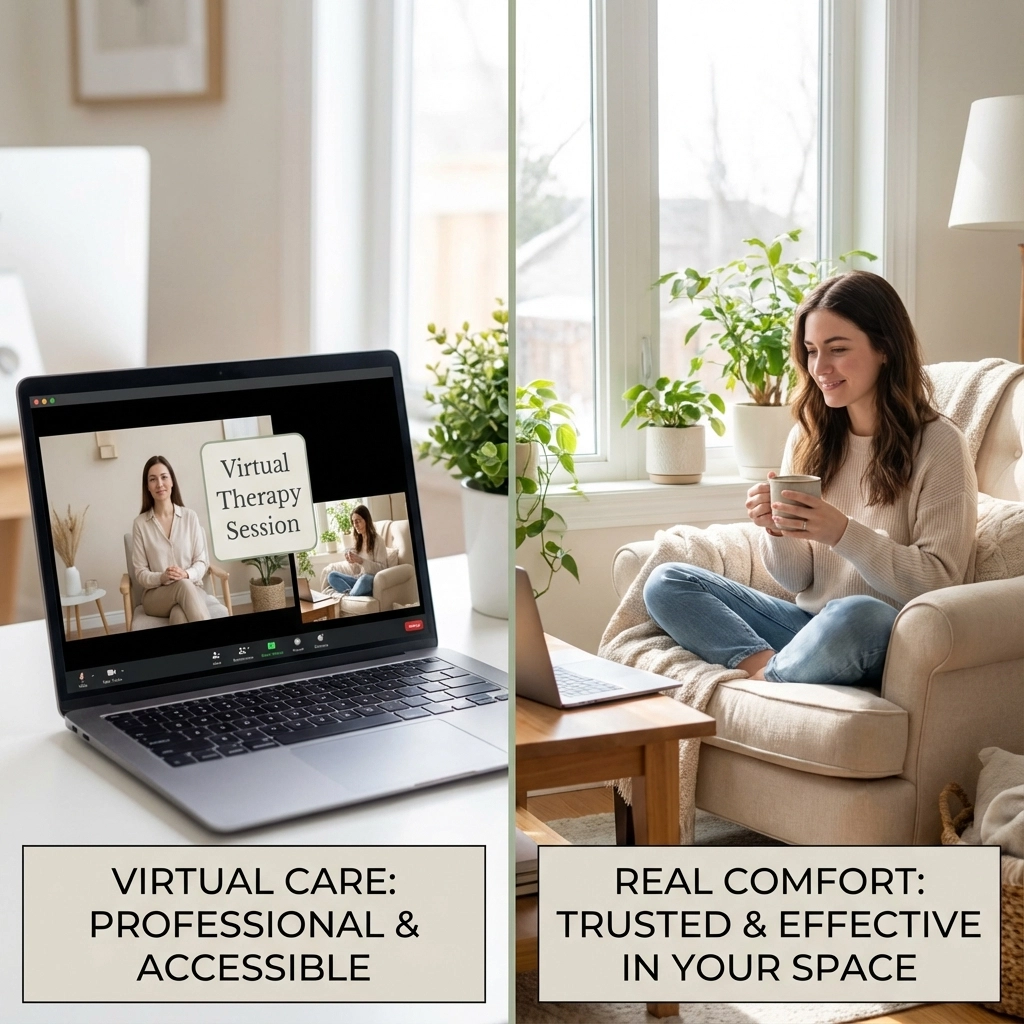
Enhanced Comfort and Accessibility: Many clients find they're more open and honest in virtual sessions because they're in their own space. This comfort can accelerate therapeutic progress, especially for individuals who feel anxious in clinical settings.
Flexible Scheduling: Virtual therapy often offers more scheduling flexibility, with early morning, evening, and weekend options that accommodate work, school, and family responsibilities. This accessibility means you're more likely to maintain consistent therapeutic engagement.
Integration with Daily Life: Being in your home environment can provide valuable insights for your therapist about your daily stressors and living situation. This real-world context can inform more practical and applicable therapeutic interventions.

4. Understand the Intake Process and What Information You'll Need for Telehealth in North Carolina
Starting virtual therapy involves an intake process designed to match you with the right therapist and ensure you receive appropriate care from day one. Being prepared can make this process smoother and more efficient.
Initial Screening: Most programs begin with a brief phone or online screening to assess your immediate needs and ensure virtual therapy is appropriate for your situation. Some mental health conditions may require in-person assessment initially, though ongoing care can often continue virtually.
Documentation Requirements: Have important documents ready, including insurance cards, identification, emergency contact information, and any previous mental health records you'd like to share. If you're applying for income-based free services, you may need recent pay stubs or proof of income.
Medical History: Be prepared to discuss your current medications, other healthcare providers, and any recent medical concerns. This information helps your therapist understand how your mental health care fits into your overall health picture: a key component of TSG's integrated care approach to whole-person care delivered by a coordinated team.
Goals and Expectations: Think about what you hope to achieve through therapy before your first session. Whether you're dealing with anxiety, depression, relationship issues, or life transitions, having clear goals helps your therapist tailor treatment to your specific needs.
Social Support Assessment: Your therapist will likely ask about your support system, including family, friends, and community connections. This information helps them understand your resources and may inform recommendations for additional support services.
5. Learn About Additional Support Services and Resources for Telehealth and Integrated Care
Virtual therapy works best when it's part of a comprehensive support system. Understanding what additional resources are available can enhance your therapeutic journey and provide extra layers of support.
Peer Support Groups: Many virtual therapy programs offer online support groups where you can connect with others facing similar challenges. These groups provide community, reduce isolation, and offer practical coping strategies from people with lived experience.
Crisis Support Between Sessions: Make sure you know how to access help if you're in crisis between scheduled sessions. Most programs provide 24/7 crisis lines, and some offer secure messaging systems for non-urgent questions or check-ins with your therapist.
Family and Couples Integration: If relationship issues are part of your therapeutic goals, many virtual therapy programs can include family members or partners in sessions. This flexibility allows for comprehensive treatment that addresses relationship dynamics and communication patterns.
Care Coordination: At TSG, we understand that mental health doesn't exist in isolation. Our integrated approach means your virtual therapist can coordinate with primary care providers, psychiatrists, or other specialists to ensure all aspects of your health are addressed cohesively.
Community Resource Connections: Virtual therapists can connect you with local community resources, even when sessions are conducted remotely. This might include food assistance programs, housing support, job training, or other services that address social determinants of mental health.
Self-Care Tools and Apps: Many virtual therapy programs provide access to mental health apps, guided meditation resources, and self-help tools that support your therapeutic work between sessions.
Taking Your Next Steps Toward Better Mental Health with Telehealth in NC
Starting virtual therapy represents a significant step toward prioritizing your mental health and well-being. The convenience, accessibility, and effectiveness of telehealth make quality mental health support available to more North Carolinians than ever before.
As you consider beginning virtual therapy in North Carolina this year, remember that seeking help is a sign of strength, not weakness. The challenges you're facing—whether they're related to stress, relationships, trauma, or life transitions—are valid concerns that deserve professional attention and support.
At TSG Behavioral Health & Community Services (TSG), we provide integrated, culturally responsive care that meets you where you are. Our telehealth and virtual therapy services make mental health care accessible across North Carolina, especially for communities that have historically faced barriers to traditional in-person services.
If you're ready to explore telehealth and virtual therapy options or have questions about free mental health services in North Carolina, we encourage you to reach out. Our clinical team can help you understand your options, navigate insurance or sliding-scale fee programs, and connect you with the right therapeutic support for your unique situation.
Your mental health journey is important, and the support you need is available. This New Year, consider giving yourself the gift of professional mental health care through virtual therapy: it might be the most important step you take toward a healthier, more fulfilling life.
— Dr. Kerry L. Shipman, CEO, TSG Behavioral Health & Community Services
Ready to get started? Contact TSG Behavioral Health & Community Services to learn more about our telehealth and virtual therapy programs, our integrated care approach, and how we support your mental health goals across North Carolina. Visit us at tsgbh.com or reach out to our team to schedule your initial consultation.