
OUR APPROACH & MODEL OF CARE
Our Approach: Evidence-Based, Person-Centered, Barrier-Responsive Care
TSG Behavioral Health & Community Services delivers medical care, behavioral health, medication support, recovery services, and community-based care through one integrated, person-centered model. Medical care, behavioral health, medication support, recovery services, and community-based care can be coordinated around the whole person. Our teams follow applicable North Carolina and South Carolina requirements, payer standards, and provider licensure rules. For eligible clients, Psychiatric Collaborative Care (CoCM) may connect the treating medical provider with a Behavioral Health Care Manager and psychiatric consultant to support measurement-based treatment and follow-up.
Our model is designed for individuals with high needs and high barriers, prioritizing engagement, continuity, and accountability.
Evidence-Based & Evidence-Informed Practice
TSGBH utilizes evidence-based and evidence-informed practices that support engagement, stabilization, and recovery across behavioral health and community-based services.
Our care delivery emphasizes:
clinically sound interventions
recovery-oriented frameworks
trauma-responsive engagement strategies
consistency across service delivery
Person-Centered Planning (PCP)
All services are guided by Person-Centered Planning (PCP) that reflects each individual’s goals, strengths, preferences, and lived experience.
PCP ensures care is:
individualized rather than prescriptive
responsive to changing needs
aligned with treatment goals and support services
documented in a manner consistent with state and MCO requirements
Innovation in Access & Engagement
TSGBH expands access through:
virtual service delivery
community-based engagement
peer support
coordinated care frameworks
This approach is especially critical for rural and underserved counties, where provider shortages and transportation barriers limit access to traditional care models.
Innovation at TSGBH is not about technology alone—it is about designing systems that work for real people.
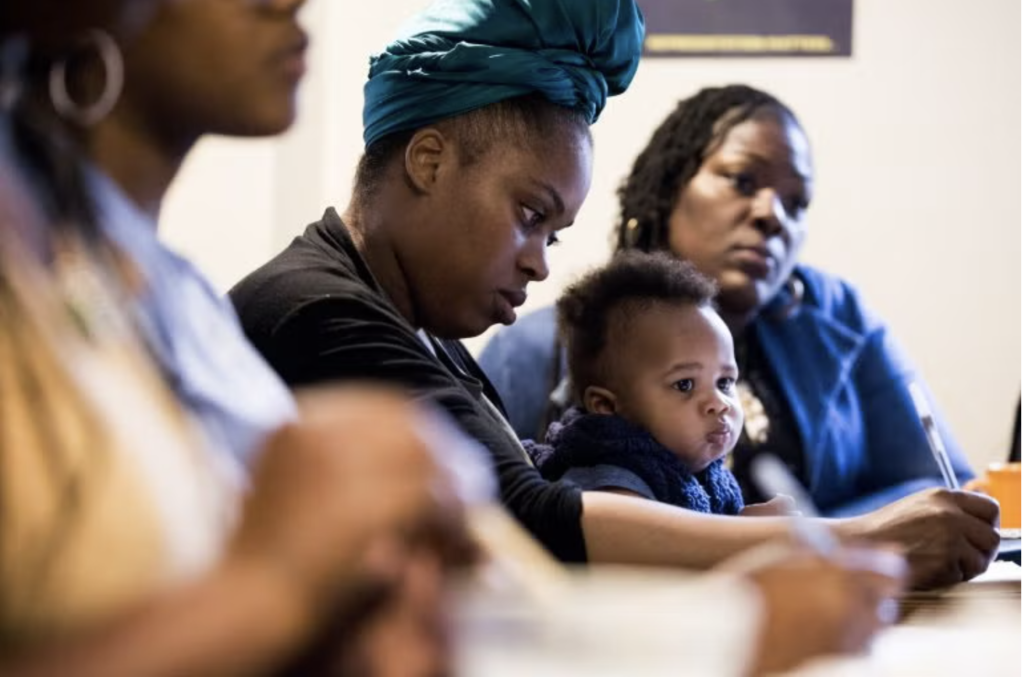
Barrier Reduction & Social Determinants of Health
TSGBH actively addresses barriers to care that interfere with engagement and outcomes, including:
housing instability
transportation limitations
geographic isolation
system navigation challenges
inconsistent access to providers
We design services to reduce these barriers rather than penalize individuals for them.
Structured Care Pathways & Continuity
Rather than delivering disconnected services, TSGBH implements structured care pathways that promote:
accountability and documentation integrity
continuity across services and transitions
proactive engagement for high-risk individuals
appropriate service utilization
This structure supports measurable progress while maintaining flexibility to meet individuals where they are.