
By Dr. Kerry L. Shipman, CEO, TSG Behavioral Health & Community Services
As we step into 2026, many families across North Carolina are setting intentions for better health and wellbeing. If you've been considering mental health support for yourself or a loved one, understanding trauma-informed care could be the game-changer that makes all the difference in your family's healing journey. This quick guide explains trauma-informed care NC families can access through TSG, how family support is built in, and why integrated care matters.
At TSG Behavioral Health & Community Services, we see firsthand how trauma-informed approaches transform not just individual lives, but entire family systems. Let's break down what this means and why it should be on your radar this year.
What Is Trauma-Informed Care?
Trauma-informed care represents a fundamental shift in how healthcare providers approach treatment. Instead of asking "What's wrong with you?" we ask "What happened to you?" This simple reframing acknowledges that many behavioral and mental health challenges stem from past experiences rather than personal failures or character flaws.

The approach recognizes that trauma is incredibly common: affecting people across all demographics, ages, and backgrounds. Whether it's childhood adversity, domestic violence, community violence, medical trauma, or systemic oppression, these experiences can profoundly impact how someone interacts with healthcare systems.
At its core, trauma-informed care operates on four essential principles:
Safety: Creating physically and emotionally safe environments where healing can occur
Trustworthiness: Building transparent, reliable relationships between providers and patients
Choice and Empowerment: Ensuring patients have control over their treatment decisions
Awareness: Understanding how trauma affects individuals, families, and communities
Why This Matters for Your Family
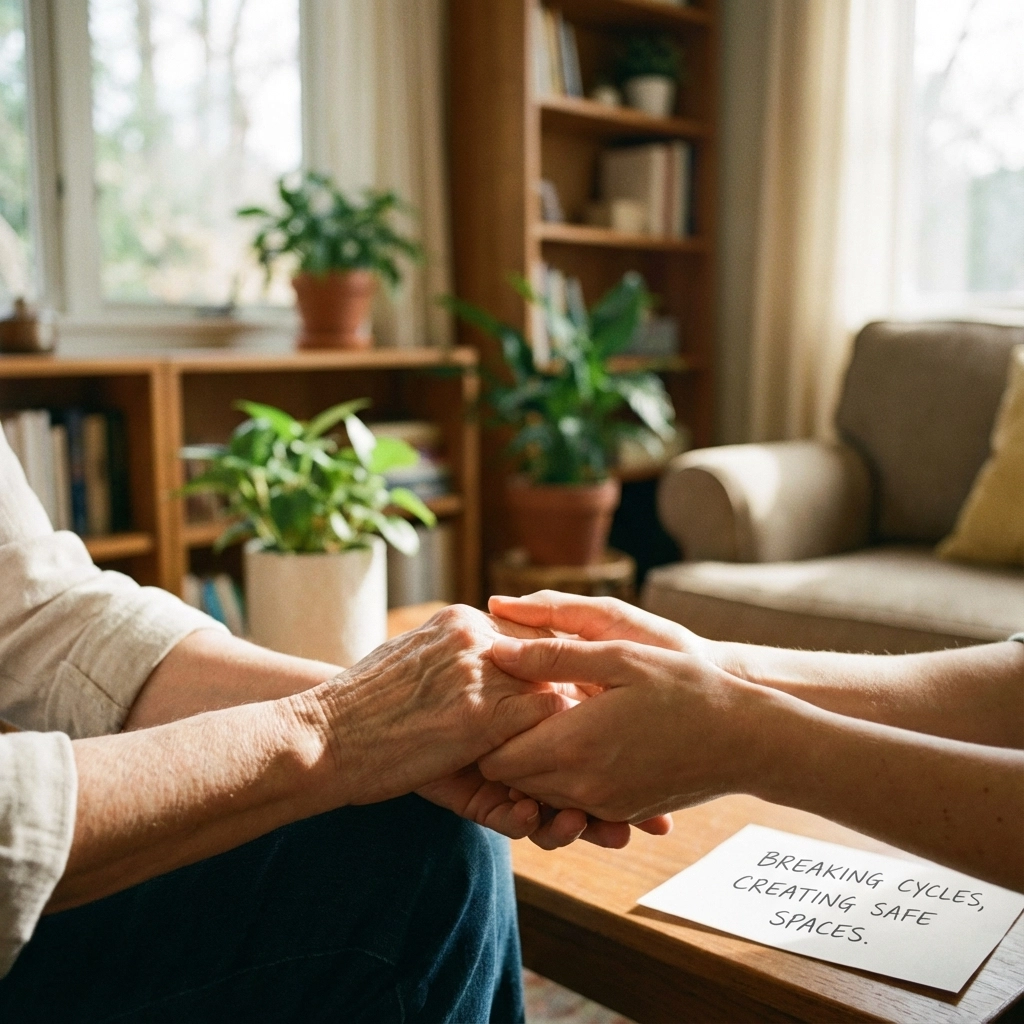
Breaking Cycles of Retraumatization
Traditional healthcare approaches can inadvertently recreate traumatic experiences. Being rushed through appointments, having your concerns dismissed, or feeling powerless in treatment decisions can trigger past trauma responses. Trauma-informed care actively works to prevent these experiences.
When your family receives trauma-informed services at TSG, our integrated teams coordinate to ensure every interaction feels safe and respectful. Our providers understand that a patient who seems "difficult" or "non-compliant" may actually be responding to trauma triggers in the healthcare environment.
Improved Treatment Outcomes
Research consistently shows that trauma-informed approaches lead to better health outcomes. When patients feel safe and empowered, they're more likely to:
- Engage fully in treatment
- Follow through with recommendations
- Develop trust with their care team
- Experience reduced symptoms over time
For families, this means more effective therapy sessions, better medication compliance, and stronger therapeutic relationships that support long-term recovery.
Family System Healing
Trauma doesn't just affect individuals: it impacts entire family systems. When one family member experiences trauma-informed care, the positive effects often ripple throughout the household. Parents report feeling more confident in supporting their children, couples develop better communication skills, and families learn healthier ways to navigate stress together.
TSG's Integrated, Trauma-Informed Approach
Whole-Person Care Coordination
At TSG, trauma-informed care isn't just a buzzword: it's woven into every aspect of our integrated health model. Our coordinated teams include mental health counselors, primary care providers, substance use specialists, and community support workers who all share a trauma-informed philosophy.
This integrated care approach means that whether you're receiving primary care for diabetes management or counseling for anxiety, your entire care team understands how trauma might be affecting your health. No more explaining your history repeatedly to different providers or feeling like your mental health and physical health exist in separate silos.

Culturally Responsive Care
Our trauma-informed approach recognizes that trauma impacts different communities in different ways. Historical trauma, systemic oppression, and cultural factors all influence how individuals and families experience and recover from traumatic events.
TSG's providers receive specialized training in cultural responsiveness, ensuring that your family's background, values, and experiences are honored throughout the treatment process. This is particularly important for our work with justice-involved individuals, unhoused community members, and families facing complex social challenges.
Telehealth Convenience Without Compromise
One of the biggest barriers to accessing trauma-informed care has historically been getting to appointments. Transportation challenges, childcare needs, work schedules, or simply feeling unsafe leaving home can prevent families from receiving the support they need.
TSG's robust telehealth platform ensures that trauma-informed care is accessible from the comfort of your own home. Our virtual sessions maintain all the safety, trustworthiness, and empowerment principles of in-person care while offering the convenience and reduced stress of remote participation.

Family Support and Social Support: The Foundation of Healing
Community-Based Recovery
Trauma healing happens in relationship with others. That's why TSG emphasizes family support and social support as a cornerstone of our trauma-informed services. We connect families with:
- Peer support specialists who share similar experiences
- Community resource coordinators who help navigate local services
- Family therapy groups that normalize the healing process
- Educational workshops that build resilience skills
Building Support Networks
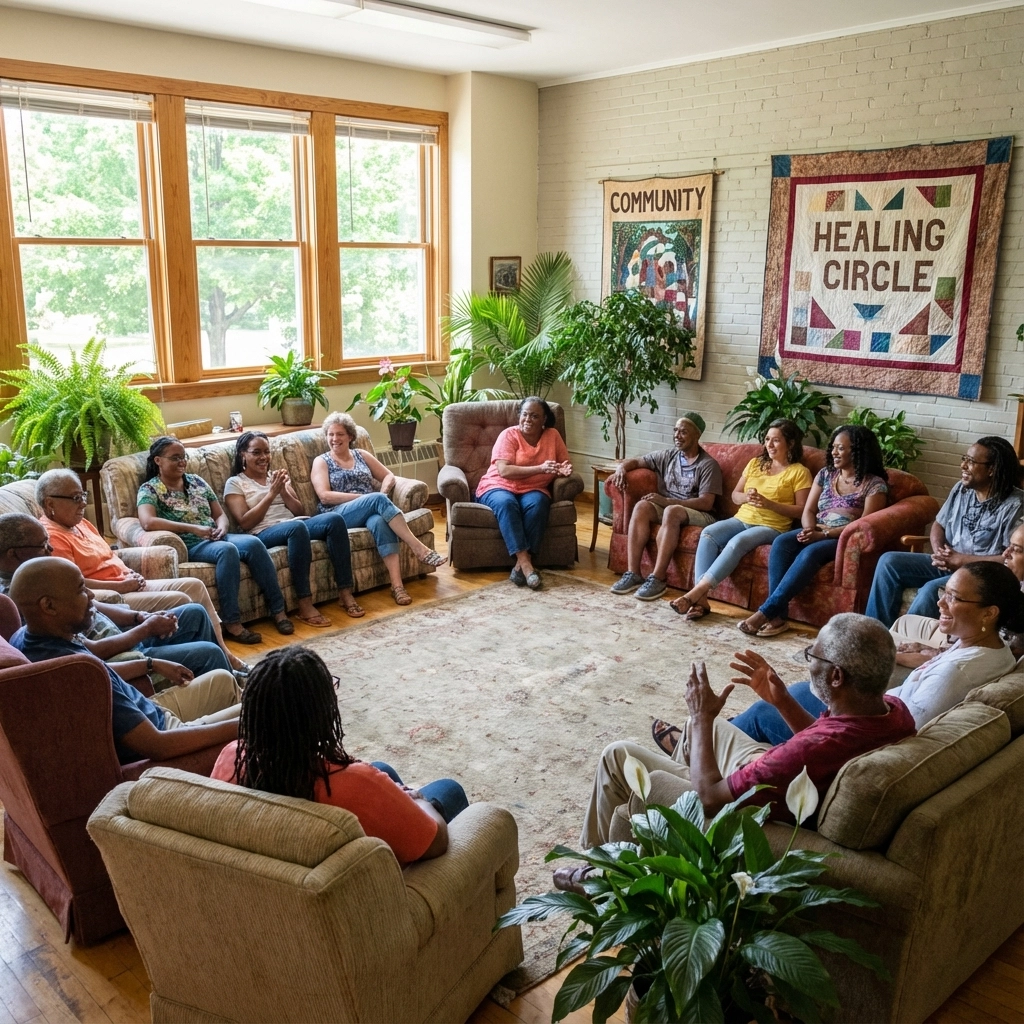
Many trauma survivors have experienced broken trust in relationships. Our trauma-informed approach helps individuals and families rebuild their capacity for healthy connections. Through group programming, family therapy, and community partnerships, we help create new support networks that sustain long-term recovery.
Starting Fresh in 2026: Your Family's Path Forward
As we begin this new year, it's the perfect time to consider how trauma-informed care might benefit your family. Whether you're dealing with ongoing mental health challenges, navigating a recent crisis, or simply wanting to build more resilience for the year ahead, TSG's integrated approach offers hope and practical support.
Getting Started Is Simple
- Call our main line to speak with a care coordinator about your family's needs
- Schedule a comprehensive assessment that considers your whole health picture
- Work with our team to develop a personalized, trauma-informed treatment plan
- Access ongoing support through our integrated services and community connections
What to Expect
Your first interaction with TSG will demonstrate our trauma-informed principles in action. You'll have choices about how to engage, your preferences will be honored, and you'll never be pressured to share more than feels comfortable. Our goal is to create an experience that feels empowering rather than overwhelming.
Remember, seeking support is a sign of strength, not weakness. In a trauma-informed system, your courage to reach out for help is celebrated and supported every step of the way.
Moving Forward Together
Trauma-informed care isn't just a treatment approach: it's a philosophy that recognizes every person's inherent worth and capacity for healing. At TSG Behavioral Health & Community Services, we're committed to making trauma-informed care NC accessible to all North Carolina families, regardless of insurance status, location, or complexity of needs.
This year, give your family the gift of truly comprehensive, trauma-informed support. Visit tsgbh.com to learn more about our services or call us directly to speak with a care coordinator who understands that your family's healing journey deserves nothing less than compassionate, expert care.
Your story matters. Your healing matters. And with the right support, 2026 can be the year your family moves forward with renewed hope and resilience.
— Dr. Kerry L. Shipman, CEO, TSG Behavioral Health & Community Services
3 Responses