By Dr. Kerry L. Shipman, CEO, TSG Behavioral Health & Community Services
As we step into 2026, a quiet revolution is transforming how rural NC communities access mental health care. Mobile mental health clinics in rural NC are moving beyond experimental programs to become essential lifelines for families who once faced impossible choices between getting help and managing daily responsibilities.
The numbers tell a compelling story: the U.S. mobile clinics market is projected to grow from $2.75 billion in 2023 to $8.02 billion by 2033, with mental health services leading this unprecedented expansion at an 11.3% annual growth rate. But behind these statistics lies a more personal truth: rural North Carolina families are finally getting the integrated, whole-person care they deserve, right where they live and work.
Breaking Down Geographic Barriers to Rural NC Mental Health Care
Rural North Carolina faces unique mental health challenges that traditional brick-and-mortar facilities often can't address effectively. When the nearest mental health provider is 60 miles away and public transportation is limited, seeking help becomes a luxury many families simply can't afford.
Mobile mental health clinics in rural NC eliminate these geographic barriers by bringing comprehensive behavioral health services directly to communities. These aren't just emergency response vehicles: they're fully equipped, mobile treatment centers staffed by licensed professionals who provide everything from initial assessments to ongoing therapy and medication management.
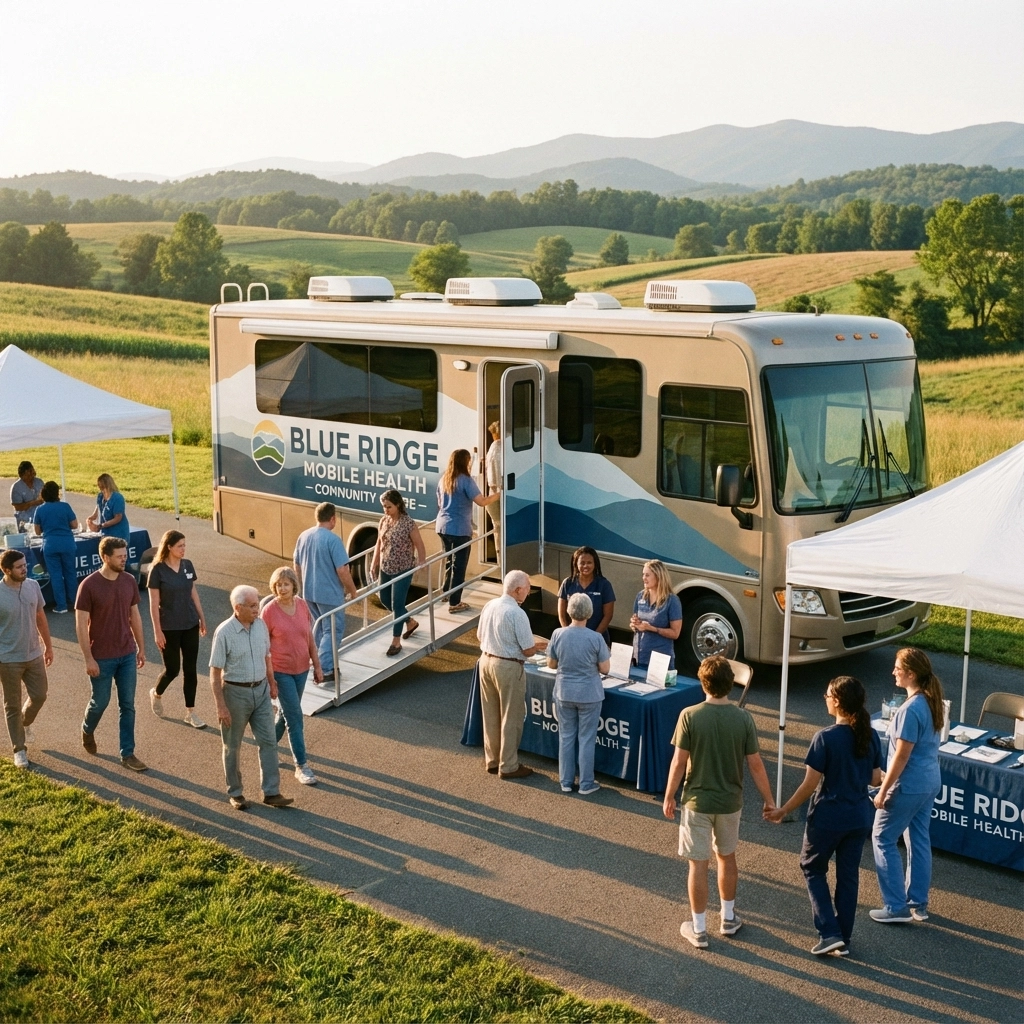
The impact extends beyond individual patients. When mobile clinics serve rural schools, workplaces, and community centers, they normalize mental health care and reduce the stigma that often prevents people from seeking help. Children see their classmates receiving support, adults witness coworkers prioritizing their mental wellness, and entire communities begin viewing behavioral health as essential as physical health.
The Technology Revolution: Telehealth Integration for Rural NC Mental Health
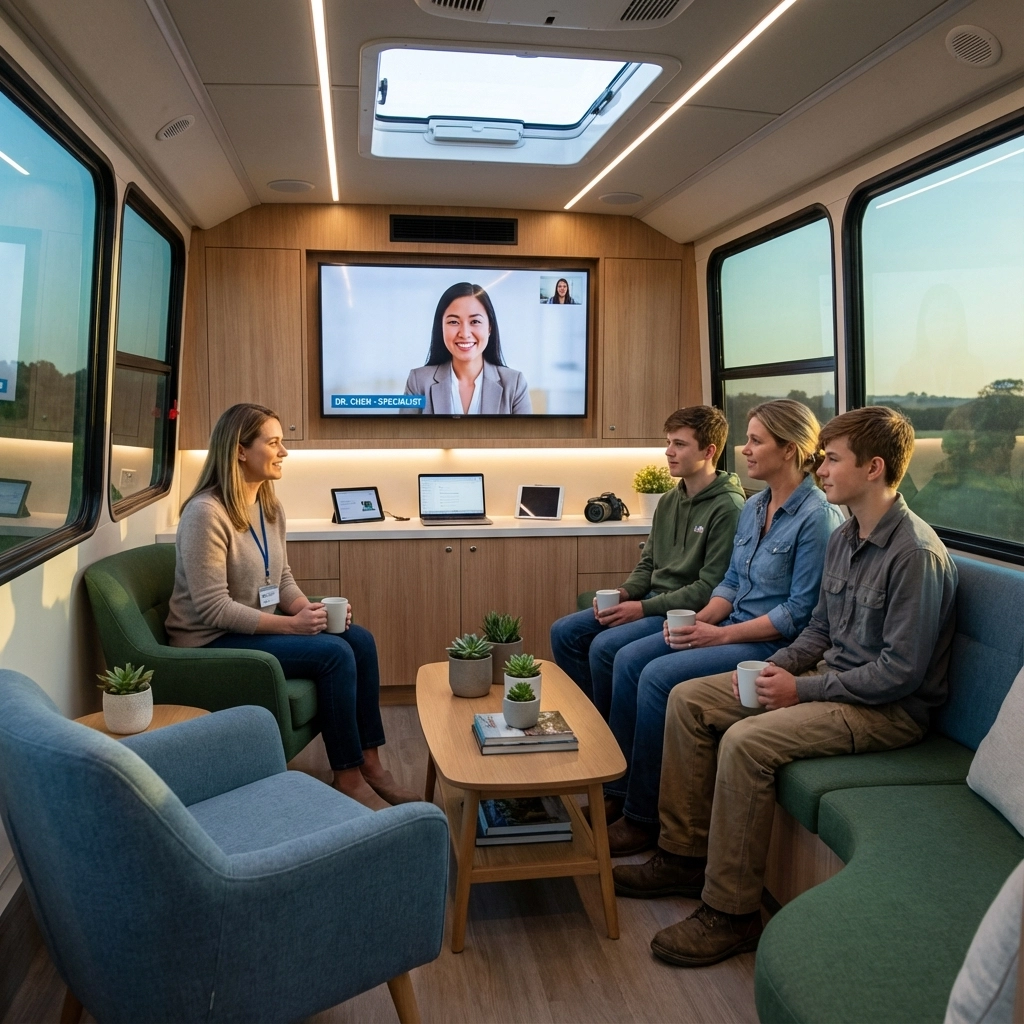
Modern mobile mental health clinics aren't just about transportation: they're sophisticated technology hubs that seamlessly integrate with telehealth platforms across North Carolina. This hybrid approach multiplies the reach and effectiveness of each mobile unit.
During on-site visits, mobile clinics can connect patients with specialists who might be hundreds of miles away. A patient in rural Robeson County can receive care from a psychiatrist based in Charlotte, all while sitting in a mobile clinic parked at their local community center. This technology integration ensures that geographic isolation doesn't limit access to specialized care.
The telehealth mental health services component also provides crucial continuity between mobile clinic visits. Patients can maintain regular check-ins, adjust medications, and access crisis support through secure video platforms, creating a comprehensive care network that follows them wherever they are.
Evidence-Based Success: Why Mobile Clinics Are Proving Their Worth
Research demonstrates that mobile mental health services are more than just convenient: they're clinically effective and cost-efficient. Facilities offering mobile crisis services show remarkable improvements in care quality, with 94.3% providing cognitive behavioral therapy compared to just 9.7% of traditional facilities without mobile services.
Mobile clinics also excel at suicide prevention, with 84.3% of mobile-equipped facilities offering specialized suicide prevention services versus 65.4% of conventional facilities. These numbers reflect the reality that mobile units can respond rapidly to crises and provide immediate intervention when and where it's needed most.
The financial benefits are equally compelling. Mobile mental health clinics reduce emergency department visits, prevent costly hospitalizations, and decrease involvement with the criminal justice system: all while providing more personalized, culturally competent care than traditional emergency responses.
TSG's Integrated Approach to Mobile Mental Health Clinics in Rural NC
At TSG Behavioral Health & Community Services (TSG), our approach to mobile mental health clinics reflects our commitment to whole-person care and community integration. Our mobile services aren't isolated interventions: they're part of a coordinated care system that addresses the full spectrum of health and social needs facing rural North Carolina families.
Our mobile teams include licensed therapists, case managers, and community health workers who understand that mental health challenges rarely exist in isolation. A teenager struggling with depression might also need support navigating college applications, while an adult managing anxiety could benefit from job training resources or assistance accessing healthcare coverage.
This integrated model means our mobile clinics can address immediate mental health needs while connecting families to longer-term supports like primary care, substance abuse treatment, housing assistance, and educational resources. We don't just treat symptoms: we help build the social support networks and community connections that sustain long-term wellness.
Community-Centered Care in Rural NC: Building Social Support Networks
One of the most powerful aspects of mobile mental health clinics is their ability to strengthen community bonds and social support systems. Unlike traditional clinical settings that can feel institutional and isolating, mobile clinics operate within familiar community spaces where people already gather and connect.
When mobile clinics set up at churches, schools, and community centers, they naturally incorporate existing social networks into the healing process. Family members, friends, and community leaders can participate in care planning and provide ongoing support between professional visits.
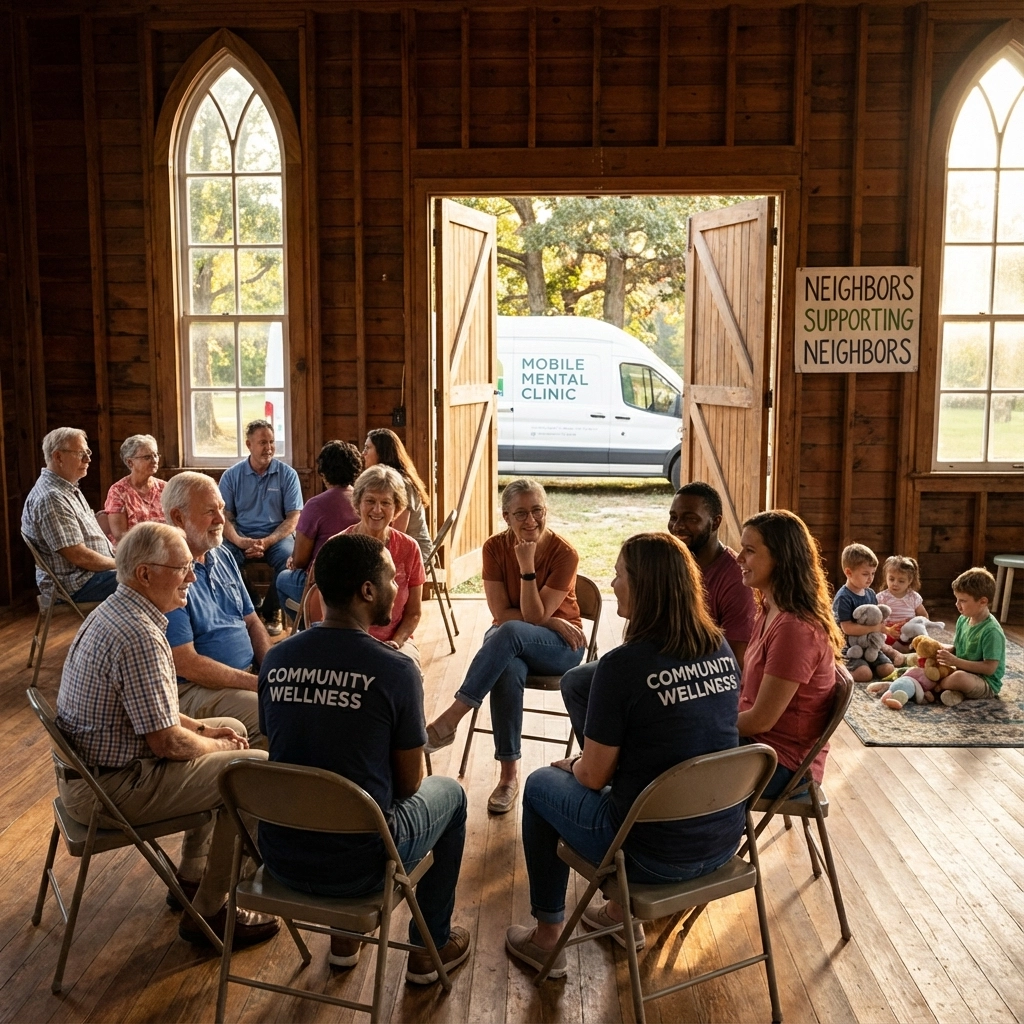
This community-centered approach is particularly effective for addressing trauma, substance abuse, and other mental health challenges that thrive in isolation. By delivering care within supportive community environments, mobile clinics help break the cycles of shame and secrecy that often prevent people from seeking and maintaining treatment.
Serving Justice-Involved and Vulnerable Populations
Rural North Carolina's mobile mental health clinics are proving especially valuable for populations that have historically been underserved by traditional mental health systems. Justice-involved individuals, people experiencing homelessness, and families dealing with complex trauma often struggle to access conventional services due to transportation barriers, scheduling conflicts, and institutional mistrust.
Mobile clinics meet these individuals where they are, literally and figuratively. They can provide services at halfway houses, homeless shelters, and community organizations without requiring people to navigate complex appointment systems or take time off from precarious employment situations.
The flexibility of mobile services also allows for longer, more intensive interventions when needed. Instead of squeezing complex trauma work into 50-minute office appointments, mobile teams can spend extended time with families, conduct home-based assessments, and provide services in environments where people feel most comfortable and authentic.
Cultural Competency in Rural Settings
Effective mobile mental health services in rural North Carolina must be deeply rooted in cultural competency and community understanding. Rural communities often have distinct cultural values, communication styles, and approaches to problem-solving that differ significantly from urban environments.
Our mobile teams receive specialized training in rural culture and community dynamics. They understand that building trust takes time, that family and faith communities play central roles in decision-making, and that solutions must align with local values and resources to be sustainable.
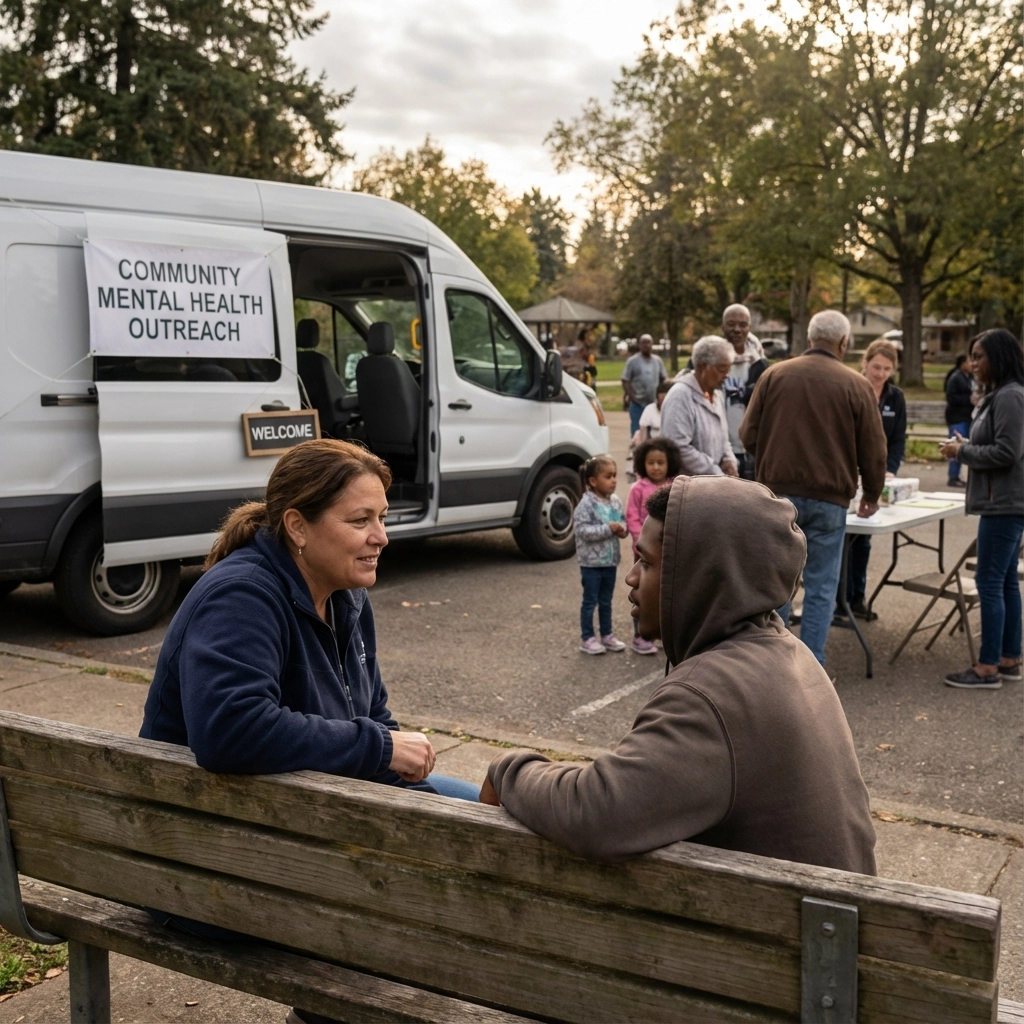
This cultural competency extends to understanding the economic realities facing rural families. Mobile teams work within existing resource networks, accept various forms of insurance including Medicaid, and provide services regardless of families' ability to pay. The goal is removing barriers, not creating new ones.
Technology and Human Connection: The Perfect Balance in Mobile and Telehealth Mental Health Care
While technology enables mobile mental health clinics to deliver sophisticated care in remote locations, the human connection remains at the heart of effective treatment. Mobile clinics succeed because they combine high-tech capabilities with high-touch, personalized care that honors each person's unique circumstances and goals.
The mobility aspect itself sends a powerful message: "Your mental health matters enough for us to come to you." This simple act of meeting people where they are communicates respect, reduces stigma, and acknowledges the real-world barriers that prevent many rural residents from accessing traditional mental health services.
Looking Forward: A New Year, New Possibilities for Rural NC Mental Health
As we begin 2026, mobile mental health clinics represent more than just an innovative service delivery model: they symbolize a fundamental shift toward accessible, equitable, and community-centered behavioral health care. For rural North Carolina families who have long felt forgotten by traditional healthcare systems, mobile clinics offer hope and practical solutions.
The success of mobile mental health services in rural communities proves that with creativity, technology, and genuine commitment to meeting people where they are, we can overcome even the most persistent barriers to mental health care. Every mobile clinic visit represents a step toward a future where geographic location doesn't determine access to life-changing mental health services.
If you're ready to explore how mobile mental health clinics and telehealth might benefit your family or community, contact TSG Behavioral Health & Community Services (TSG) to learn more about our integrated approach to rural NC mental health care. Together, we can break down barriers and build stronger, healthier communities across North Carolina.