Crisis Support Available Now
If you or a loved one needs immediate support, TSG Behavioral Health & Community Services provides integrated behavioral health and community services across North Carolina.
Contact us: (919) 342-0000
Visit: https://tsgbh.com/contact-us
Recovery is not a solo journey. Whether your loved one is navigating substance use disorder, mental health challenges, or both, your role as family matters profoundly. As we move through 2026, families across North Carolina are discovering that effective support requires more than good intentions: it demands a structured framework that combines evidence-based practices with compassionate, coordinated care.
Dr. Kerry L. Shipman, CEO of TSG Behavioral Health & Community Services, emphasizes that modern recovery frameworks recognize a fundamental truth: "Families don't just witness recovery: they participate in it. The most successful outcomes happen when we treat the family system, not just the individual."
This guide provides practical, actionable steps for families supporting loved ones through recovery services while highlighting how integrated care models strengthen that support.

Understanding the Family Support Framework
Traditional approaches often isolated the person in recovery from their family system. Contemporary evidence-based frameworks recognize that multi-generational challenges: including poverty, trauma, abuse, and systemic barriers: affect entire family units. Effective support addresses these broader contexts while building family protective capacities.
The framework combines three essential elements:
Family-centered services that respect your culture, beliefs, and values
Evidence-based practices that deliver measurable outcomes
Community resource integration that extends support beyond clinical settings
This approach acknowledges that families facing recovery challenges often encounter practical barriers to engagement: work schedules, legal concerns, financial pressures, healthcare access, and childcare needs. Effective frameworks address these realities head-on.
Core Components That Drive Results
Collaborative Engagement
Recovery support begins with partnership, not prescription. Effective frameworks work collaboratively with families to identify strengths, explore needs, and develop treatment goals that adapt as circumstances change.
This means your voice matters. Your observations about what triggers stress, what provides comfort, and what strategies work in your household inform the care plan. You are not a passive observer: you are an active participant in building sustainable recovery.

Psychoeducation and Skill Building
Understanding serious mental illness and substance use disorders helps families communicate effectively and develop supportive problem-solving skills. Psychoeducation programs provide:
Clear information about diagnoses and treatment options
Strategies for managing challenging behaviors
Positive child management techniques when children are involved
Tools for balancing everyday stressors alongside recovery support
Communication frameworks that reduce conflict and increase understanding
Integrated Community Supports
Recovery happens in communities, not just clinics. Effective frameworks coordinate with multiple agencies and systems:
Primary healthcare providers
Child welfare services when applicable
Educational institutions
Legal and corrections systems
Employment services
Housing assistance programs
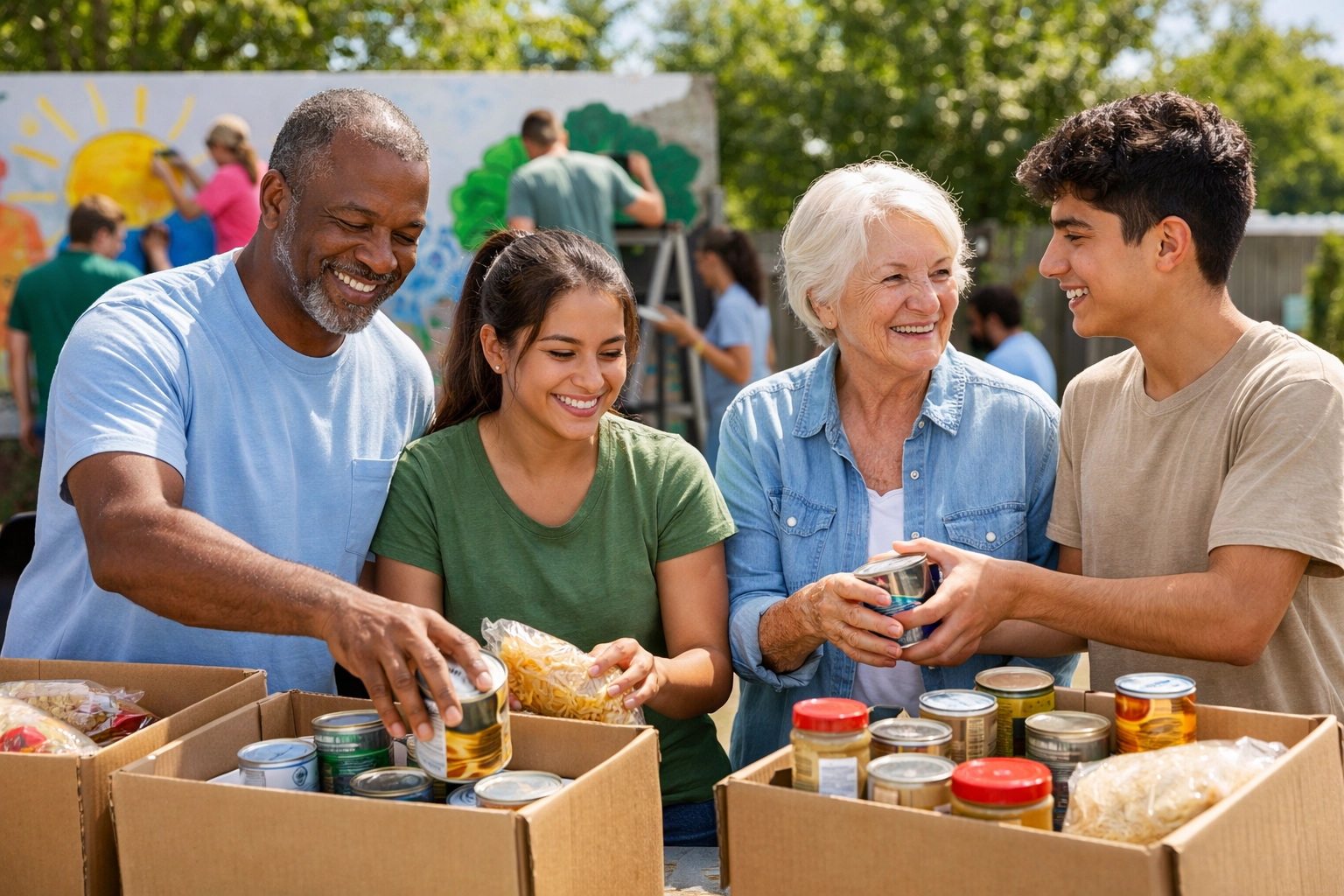
Community involvement opportunities: volunteering, extracurricular activities, mentorship programs, and internships: provide structure, purpose, and connection during recovery.
Your Practical Action Plan for 2026
Step 1: Assess Your Family's Current Support System
Before adding new resources, evaluate what already exists. Who in your extended family, friend network, or community can provide practical support? This might include:
Someone who can provide transportation to appointments
A trusted friend who can check in regularly
Family members who can help with childcare
Community members with recovery experience
Faith community connections
Workplace employee assistance programs

Step 2: Establish Clear Communication Patterns
Recovery requires honest, consistent communication. Set regular family meeting times to discuss:
Progress and challenges
Upcoming appointments or treatment changes
Practical needs and problem-solving
Celebration of milestones, no matter how small
Avoid communication during crisis moments when emotions run high. Scheduled check-ins provide structure and reduce reactive conflicts.
Step 3: Learn Crisis Prevention and Response
Every family supporting someone in recovery needs a crisis plan. This includes:
Recognizing early warning signs of relapse or mental health deterioration
Knowing who to call for different types of crises
Understanding when to seek emergency services
Having a written plan that everyone can access
Identifying safe environments and removing potential harm sources
Step 4: Address Practical Barriers Systematically
Recovery stalls when basic needs remain unmet. Work through practical challenges methodically:
Transportation: Coordinate ride-sharing, investigate public transit options, or connect with community transportation services
Finances: Research sliding-scale payment options, insurance coverage, and community assistance programs
Legal concerns: Connect with legal aid services and understand how recovery participation affects ongoing cases
Employment: Explore flexible work arrangements or supported employment programs
Healthcare: Ensure comprehensive healthcare access, including primary care coordination
Step 5: Prioritize Your Own Well-being
You cannot pour from an empty cup. Effective family support requires that you maintain your own mental health and resilience.
Seek your own counseling or support groups
Maintain healthy boundaries
Practice self-care routines
Connect with other families navigating similar challenges
Recognize when you need to step back and recharge
How Integrated Care Strengthens Family Support
TSG Behavioral Health & Community Services implements integrated care models that coordinate behavioral health, physical health, and community support services. This whole-person approach recognizes that sustainable recovery requires addressing interconnected needs simultaneously.
Integrated care means:
Coordinated teams communicate across disciplines, reducing the burden on families to navigate fragmented systems
Warm handoffs connect your loved one directly with needed services rather than providing referral lists
Natural supports are explored and strengthened alongside clinical interventions
Cultural competence ensures services respect your family's unique background and values
Outcome tracking measures progress and adjusts approaches based on evidence
Measuring Success in Family Support
Effective family support frameworks establish clear performance standards and measurable outcomes. Success indicators include:
Reduced crisis utilization and emergency interventions
Increased family connection and communication quality
Improved health and wellness across the family system
Enhanced family capacity to manage challenges independently
Sustained engagement with treatment and support services
Achievement of individualized recovery goals
These metrics matter because they move beyond abstract concepts to concrete improvements in daily life.
Natural Supports and Community Connection
While professional services provide essential structure and expertise, natural supports often sustain recovery long-term. Natural supports include:
Extended family relationships
Faith community connections
Neighborhood networks
Recovery community groups
Hobby or interest-based organizations
Online communities with shared experiences
Strengthening these connections reduces isolation and builds resilience. Recovery thrives in environments rich with positive relationships and meaningful activities.
Moving Forward in 2026
As you begin this year supporting your loved one's recovery journey, remember that effective support combines evidence-based practices with compassionate flexibility. The framework outlined here provides structure, but your family's unique circumstances will shape how you implement each component.
Recovery is not linear. There will be setbacks, frustrations, and moments of doubt. The framework helps you navigate these challenges with clear strategies rather than reactive crisis management.
Dr. Shipman notes that families who succeed in supporting recovery share common characteristics: "They maintain hope while staying grounded in practical action. They seek help when needed. They celebrate progress. And they recognize that recovery is a process, not a destination."
Connect with Integrated Support Services
TSG Behavioral Health & Community Services provides comprehensive behavioral health and community support services designed to strengthen families throughout the recovery process.
Our services include:
Outpatient counseling
Substance abuse intensive outpatient programs (SAIOP)
Substance abuse comprehensive outpatient treatment (SACOT)
Mobile crisis services
Community support programs
Integrated care coordination
Contact us today: (919) 342-0000
Learn more: https://tsgbh.com
Your family does not have to navigate this journey alone. Evidence-based family support frameworks, combined with integrated care services, create the foundation for sustainable recovery and family wellness.
TSG Behavioral Health & Community Services provides whole-person care through coordinated teams serving communities across North Carolina.