
The New Year brings fresh starts and a renewed focus on health: but for thousands of rural North Carolina residents, accessing mental health care remains a barrier that no resolution can overcome alone. If you live outside urban centers, you already know the challenges: limited providers, long drives, and the unspoken weight of stigma in tight-knit communities.
Dr. Kerry L. Shipman, CEO of TSG Behavioral Health & Community Services, built our mobile clinic program with one goal in mind: breaking down every obstacle standing between rural residents and comprehensive mental health care. Our teams don't wait for you to find us: we bring integrated behavioral health, substance use treatment, and social support directly to your community.
Here are the seven most common barriers rural North Carolina residents face: and how TSG's mobile clinics are fixing them right now.
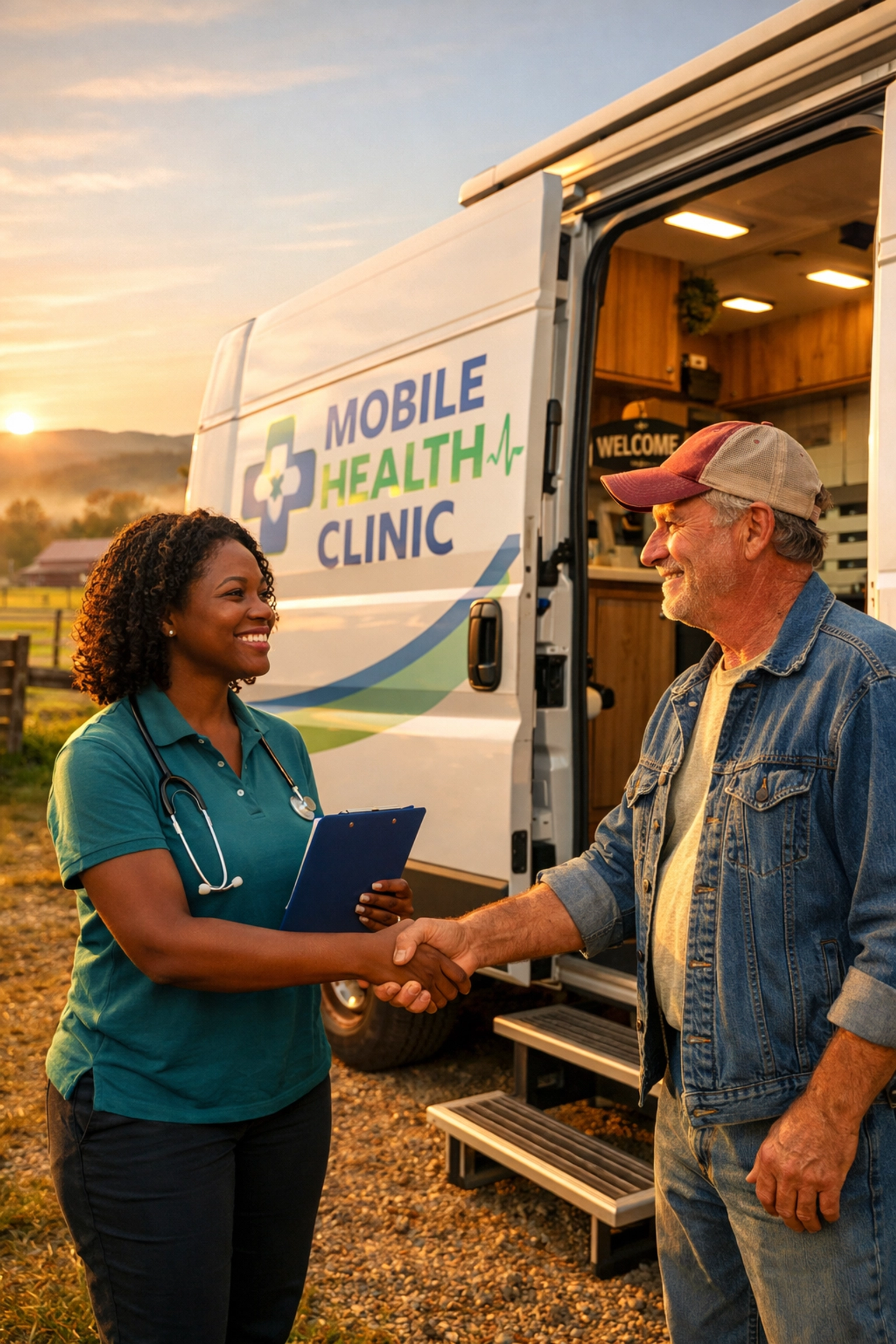
Barrier 1: Severe Workforce Shortages
The Problem: In 2022, 30 North Carolina counties had zero active licensed psychologists. Another 25 counties had no licensed psychologist associates. That means if you live in these areas, the nearest mental health professional might be an hour away: or longer.
How TSG's Mobile Clinics Fix It: Our mobile teams bring licensed clinicians, peer support specialists, and care coordinators directly to underserved counties. We expand the effective reach of our workforce by eliminating geographic constraints. Instead of asking rural residents to travel to us, we deploy our expertise where it's needed most. Our staff includes professionals who understand rural communities and the unique pressures residents face.
Barrier 2: Transportation and Distance Challenges
The Problem: Rural residents often face 30- to 60-mile drives to reach the nearest behavioral health provider. Without reliable transportation: or the ability to take time off work for a round-trip journey: appointments become impossible. This isn't just inconvenient; it's a structural barrier that prevents consistent care.
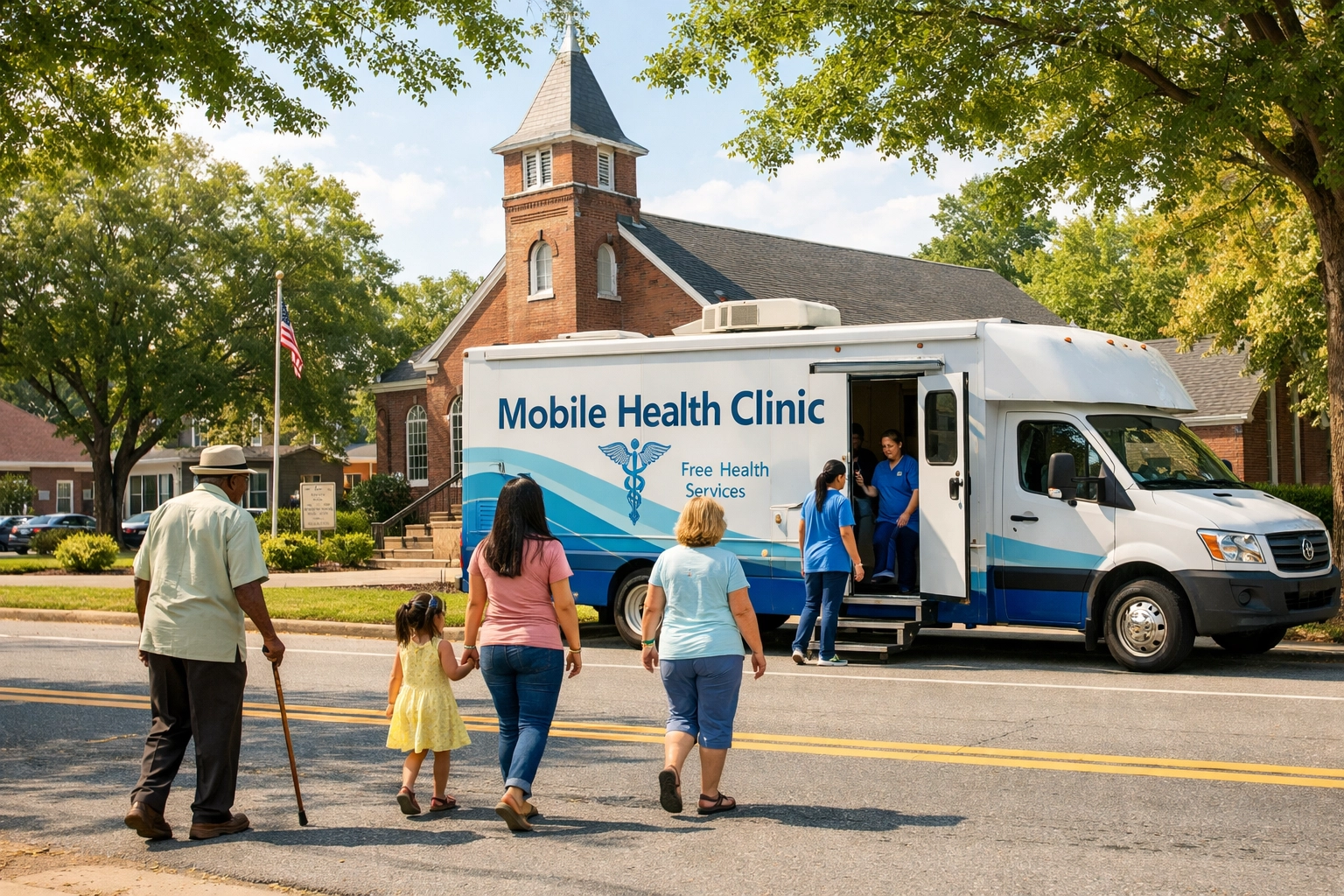
How TSG's Mobile Clinics Fix It: We park our mobile units in familiar community locations: churches, recreation centers, schools, and health departments. You don't need a car, gas money, or hours of travel time. Our teams coordinate with local organizations to ensure accessible scheduling that fits your life, not the other way around.

Barrier 3: Limited Services and Endless Wait Times
The Problem: Rural areas have fewer healthcare facilities, less infrastructure, and significantly longer wait times for mental health appointments. When you finally find a provider, you might wait weeks or months for an intake appointment: then more weeks between sessions. For someone in crisis or managing acute symptoms, this delay can be devastating.
How TSG's Mobile Clinics Fix It: Our mobile model increases service availability by expanding our footprint without requiring permanent brick-and-mortar facilities in every county. We offer flexible scheduling, including evening and weekend appointments when possible. We also provide integrated care: meaning you can access substance use treatment, mental health counseling, peer support, and care coordination in one visit. No waiting for referrals. No bouncing between disconnected providers.
Barrier 4: Stigma and Cultural Barriers
The Problem: In rural communities, seeking mental health care often carries a heavy stigma. The cultural emphasis on self-reliance can make therapy feel like admitting weakness. Small-town dynamics mean everyone notices when you walk into the local mental health clinic. For many residents: especially older adults: religious and family values create internal conflict about whether counseling aligns with their beliefs.
How TSG's Mobile Clinics Fix It: Our mobile units operate discreetly in trusted community spaces. You're not walking into a psychiatric facility where neighbors might see you: you're attending a wellness program at your church or local center. We also emphasize whole-person care that respects your values. Our teams include peer support specialists who share lived experience and understand the cultural context of rural North Carolina. We meet you where you are: physically and emotionally.
Barrier 5: Financial Barriers and Insurance Gaps
The Problem: Rural residents are statistically less likely to have health insurance. Even with coverage, out-of-pocket costs for therapy, medication, and transportation add up quickly. Many rural families operate on tight budgets where a $30 copay is a real decision between mental health care and groceries.
How TSG's Mobile Clinics Fix It: We accept Medicaid, Medicare, and most major insurance plans. We also work with individuals on sliding-scale fees and payment arrangements based on financial need. Our care coordinators help navigate insurance questions and connect you with additional resources like transportation assistance, food security programs, and housing support. Mental health care shouldn't bankrupt you: and with TSG, it won't.
Barrier 6: Social Isolation and Limited Support Networks
The Problem: Rural areas experience higher rates of social isolation, particularly among older male adults and young people. Geographic spread, limited public spaces for connection, and economic challenges create environments where loneliness compounds mental health struggles. This isolation increases risk factors, including elevated suicide rates across rural North Carolina.
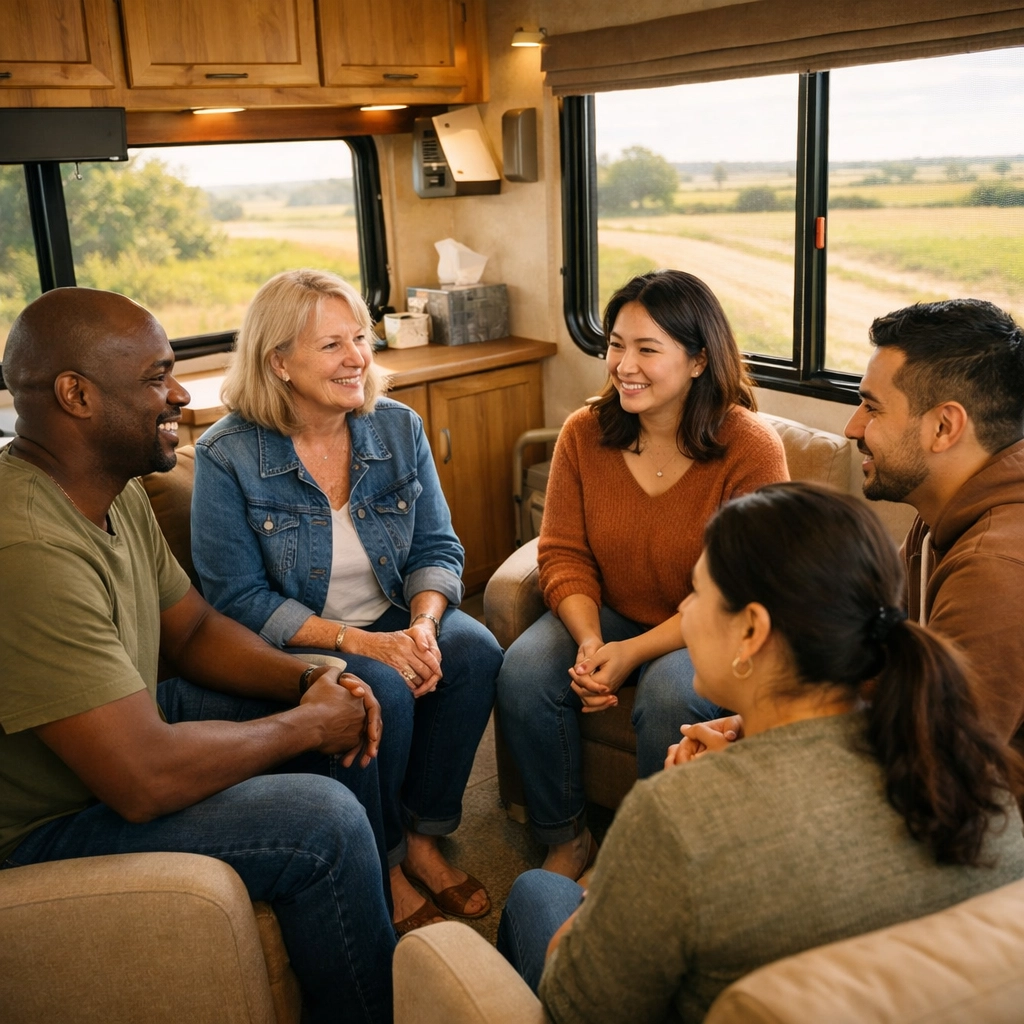
How TSG's Mobile Clinics Fix It: We don't just treat symptoms: we build community connection. Our mobile clinics include peer support groups, family therapy options, and linkage to local resources that strengthen social networks. We coordinate with churches, schools, and community organizations to create wraparound support systems. Our telehealth capabilities also allow ongoing connection between mobile visits, ensuring you're never truly isolated from care.
Barrier 7: Provider Burnout and High Turnover
The Problem: Rural healthcare providers face crushing workloads with limited resources, leading to higher burnout and turnover rates. When your therapist leaves after six months, you start over: rebuilding trust, repeating your story, and hoping the next provider stays longer. This instability disrupts treatment continuity and discourages people from engaging with care at all.
How TSG's Mobile Clinics Fix It: Dr. Shipman designed our mobile program with staff sustainability in mind. Our teams operate with coordinated support, manageable caseloads, and access to supervision and professional development. We invest in our workforce because we know stable providers mean stable care for you. Our integrated model also means if one team member transitions, you still have continuity with other familiar faces on your care team.
The Mobile Mental Health Revolution Starts Now
This New Year represents more than turning the calendar: it's about breaking barriers that have existed too long. TSG's mobile clinics aren't a temporary solution or pilot program. They're a permanent commitment to ensuring every North Carolina resident, regardless of zip code, has access to professional mental health care, substance use treatment, and the social support that makes recovery possible.
Our mobile teams provide the same quality care you'd receive at our main facilities, delivered with the understanding that your life, your schedule, and your community matter. We combine in-person mobile visits with telehealth follow-ups, creating a hybrid model that maximizes access while maintaining personal connection.

What Happens When You Connect with TSG's Mobile Clinics
When you reach out to TSG, you'll work with a care coordinator who understands rural healthcare challenges. They'll help you:
- Schedule an appointment at a mobile clinic location near you
- Understand your insurance coverage or payment options
- Connect with the right services: whether that's individual therapy, substance use treatment, family counseling, or peer support
- Access telehealth between mobile visits for consistent care
- Link to additional community resources for housing, employment, food security, and transportation
Our teams include licensed therapists, substance use counselors, psychiatric providers, peer support specialists, and care coordinators who work together to address your whole person: not just isolated symptoms.
Take the First Step Today
If you're in rural North Carolina and struggling to access mental health care, you're not alone: and you're not out of options. TSG's mobile clinics are breaking down the barriers that have kept quality care out of reach for too long.
Contact TSG Behavioral Health & Community Services today to learn when our mobile clinic will be in your area.
Visit tsgbh.com or call our main line to speak with a care coordinator who can answer your questions and help you get started. This is your year to prioritize your mental health: and we're bringing the support directly to you.